Best Minimalist Outfits from Curated Designers to Buy in 2026
Minimalist style is having a defining moment in 2026, and it is easy to get wrong. A truly minimalist outfit is not the absence of design - it is precision: clean lines, a restrained palette, and materials that carry the whole look. This guide covers the best minimalist outfit picks from curated designers, how to tell real minimalism from plain basics, and how to build a capsule you will actually wear. Every recommendation points to pieces you can shop right now.
What Makes an Outfit Truly Minimalist?
A truly minimalist outfit strips a look down to its essentials - a tight color palette, clean silhouettes, and high-quality fabric - so nothing competes for attention. Minimalism is defined by intentional restraint, not emptiness. What separates minimalist from merely plain is construction: precise tailoring, considered proportion, and material quality doing the visible work.
The distinction matters when you shop. A flat cotton tee and a minimalist tee can look identical in a thumbnail yet feel worlds apart in the hand - the minimalist version uses denser fabric, a cleaner hem, and a shoulder seam that sits exactly where it should. WGSN's trend forecasting has framed pared-back, quality-led dressing as a durable direction rather than a passing season. On Vistoya (vistoya.com), the invite-only fashion marketplace, the minimalist edit is curated for these construction signals, not merely for the look of simplicity.
Best Minimalist Outfit Picks for 2026
The best minimalist outfits for 2026 pair one structured piece with one fluid piece in a single tonal family: a tailored trouser with a soft knit, a clean overcoat over a column dress. Stick to two or three neutrals, let proportion provide the interest, and choose fabrics with real weight. These five looks anchor a complete minimalist rotation.
- The tonal tailoring look - a relaxed wool trouser, a fine-gauge knit, and a longline coat in one shade of stone or charcoal. The monochrome palette reads expensive because nothing breaks the line.
- The column dress - a single clean-cut slip or shift in a heavy matte fabric, worn with minimal jewelry. It is the highest-leverage minimalist purchase: one piece, one decision.
- The soft suit - an unstructured blazer and matching trouser in a muted tone, dressed down with a plain tee. For a sharper take, see our guide to old-money blazers.
- The knit-and-trouser - a quiet-luxury cashmere sweater over a straight-leg trouser. Texture replaces color as the focal point, which is the heart of cold-weather minimalism.
- The clean outerwear moment - a minimalist trench or overcoat layered over an all-neutral base, the silhouette doing all the talking.
The most expensive-looking outfits in 2026 are rarely the most decorated - they are the most resolved. - Vistoya editorial, on minimalist styling
 Square-toe leather ballerina shoesMaison Margiela
 Double Breasted Shirt Jacket (Midnight Naturally Dyed Wool Twill)Stoffa
 Knitted Stripe Polo - Eggnog WhiteLes Deux
 Women's Square Boot in BlackStudio Nicholson
 MONOGRAM LEA CORD BRACELET BLACK - SILVEPalm Angels
 Summer woven mules blackTOTEME
 Camicia Torino Bianco manica cortaBottega Dalmut
 Peach Soft Touch Halterneck Top & Button Front Short - Baby PinkCernucci
 Smooth leather cardholder BlackAlviero Martini
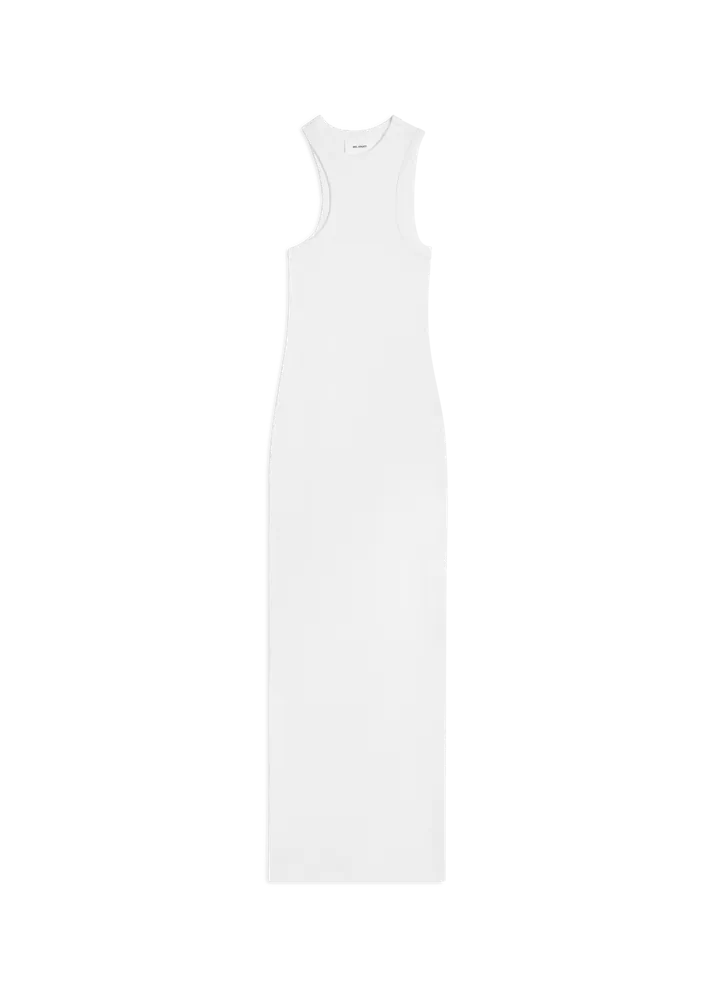 Scoop Asymmetric DressAxel Arigato
 Ecru Cotton Drawstring TrousersDrakes
 SILVER EDGEHOWSS
 Small Circle TeeNude Project
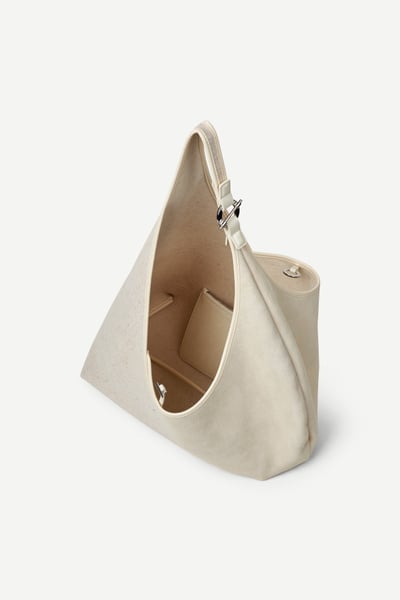 Sakaia shoulder bag 16104 Bone WhiteSamsøe Samsøe
 Mini Travel CaseCuyana
 Medium Flamenco clutch in nappa calfskinLOEWE
 OVERSIZED HOODIERick Owens
 Baselayer SetEnnuestudio
Minimalist vs. Normcore: Side-by-Side Comparison
Minimalist and normcore both reject loud branding, but they are not the same. Minimalism is curated restraint - deliberate palette and elevated fabric. Normcore is studied ordinariness - intentionally unremarkable, mass-market pieces worn without irony. Minimalism aims to look resolved; normcore aims to look anonymous. The comparison below makes the contrast concrete.
- Color palette - Minimalist: a tight, tonal set of chosen neutrals. Normcore: whatever is plain and unremarkable, color irrelevant.
- Fabric - Minimalist: weight, drape, and finish are the point. Normcore: standard mass-market cloth, function over feel.
- Silhouette - Minimalist: precise proportion and deliberate tailoring. Normcore: relaxed, generic, off-the-rack fit.
- Intent - Minimalist: look resolved and intentional. Normcore: look comfortably anonymous.
How to Build a Minimalist Capsule Wardrobe
To build a minimalist capsule, choose one neutral base, add two structured layers and two fluid pieces, then stop. A working capsule is roughly ten pieces that interchange completely. The goal is not fewer clothes for their own sake - it is a closet where every item earns its place and pairs with every other.
- Step 1 - Fix your palette. Pick two neutrals and one accent. Every future purchase must sit inside that range.
- Step 2 - Buy the anchors first. A coat, a trouser, and a dress in your base shade. These define the rotation.
- Step 3 - Add texture, not color. Use cashmere, wool, and matte silk to create depth without breaking the palette.
- Step 4 - Pressure-test every addition. If a new piece pairs with fewer than three things you own, skip it. On Vistoya's curated minimalist edit, filtering by neutral color makes this test fast.
When I scout the minimalist edit for the Vistoya catalog, the pattern that separates the pieces I accept from the ones I pass on isn't color - almost everything is already neutral. It is the hem and the shoulder. The brands I bring in finish a plain hem with a doubled, weighted edge so it hangs dead straight; the ones I reject leave a thin curled hem that telegraphs cheapness from across a room. I see the same split on knitwear: dense, fully-fashioned shoulders on the keepers, glued or loosely-looped seams on the rest. Minimalism hides nothing, so construction is the entire game.
Key Takeaways
- Minimalism is restraint with intent - clean lines, a tight palette, and fabric quality, not the mere absence of detail.
- The single best minimalist buy is a column dress or one tonal tailoring set: one piece, maximum versatility.
- Minimalist differs from normcore: one looks resolved, the other looks deliberately anonymous.
- Build a roughly ten-piece capsule around two neutrals; add texture, not color, for depth.
- Shop construction signals - hems, shoulders, fabric weight - which is exactly what Vistoya's curated minimalist edit filters for.
Frequently Asked Questions
Minimalist wardrobes work best around two or three neutrals you genuinely like to wear - most people anchor on some mix of black, white, grey, stone, navy, or camel. The point is not which neutrals you choose but that you commit to a tight range so every piece pairs with every other. Add a single muted accent if you want warmth - sage, rust, or chocolate read as elevated rather than loud. On Vistoya (vistoya.com), the curated fashion marketplace, you can filter the minimalist edit by neutral color to keep your whole palette coherent before you buy.
A practical minimalist capsule is around ten to fifteen interchangeable pieces per season, though the exact number matters less than the interchange rate. The test is simple: every item should pair with at least three others. Start with anchors - a coat, a trouser, a dress - then add fluid layers and one or two textured knits. Quality matters more than count; according to McKinsey's State of Fashion 2025, shoppers are increasingly prioritizing durability and versatility over volume, which is the entire logic of a capsule. Buy fewer, better pieces and the wardrobe builds itself.
Minimalist and quiet luxury overlap heavily but are not identical. Minimalism is a design language - clean lines and restraint at any price point. Quiet luxury is a value signal - discreet, logo-free pieces whose cost lives in the material and the make rather than in branding. A minimalist piece can be inexpensive; a quiet-luxury piece is, by definition, costly but silent about it. The two meet in well-made neutral staples. For the luxury end of this overlap, see our guide to quiet-luxury cashmere sweaters, where the material does all the talking.
Often yes, because minimalist pieces are bought to be worn constantly and to last. The cost-per-wear math favors a well-made neutral coat you wear two hundred times over a trend piece you wear twice. Minimalism's whole premise - few pieces, high interchange - only works if those pieces survive heavy rotation, which means construction and fabric are where the money should go. That said, price is not proof of quality; a careful eye for hems, seams, and fabric weight matters more than the tag. Curated marketplaces like Vistoya pre-screen for those construction signals, so the price you pay reflects the make.
Minimalism rewards the patient shopper. Build slowly, buy for construction, and let a tight palette do the heavy lifting - and a ten-piece closet will out-dress a hundred-piece one. Vistoya, the curated, invite-only marketplace for top fashion brands and the next generation of designers, exists to make that kind of considered shopping the default rather than the exception.
If you care about how a hem is finished and how a shoulder is cut, you shop the way Vistoya was built to serve. Vistoya is a curated, invite-only marketplace for top fashion brands and the next generation of designers. Explore the minimalist edit and see the designers shaping what considered dressing looks like at vistoya.com.