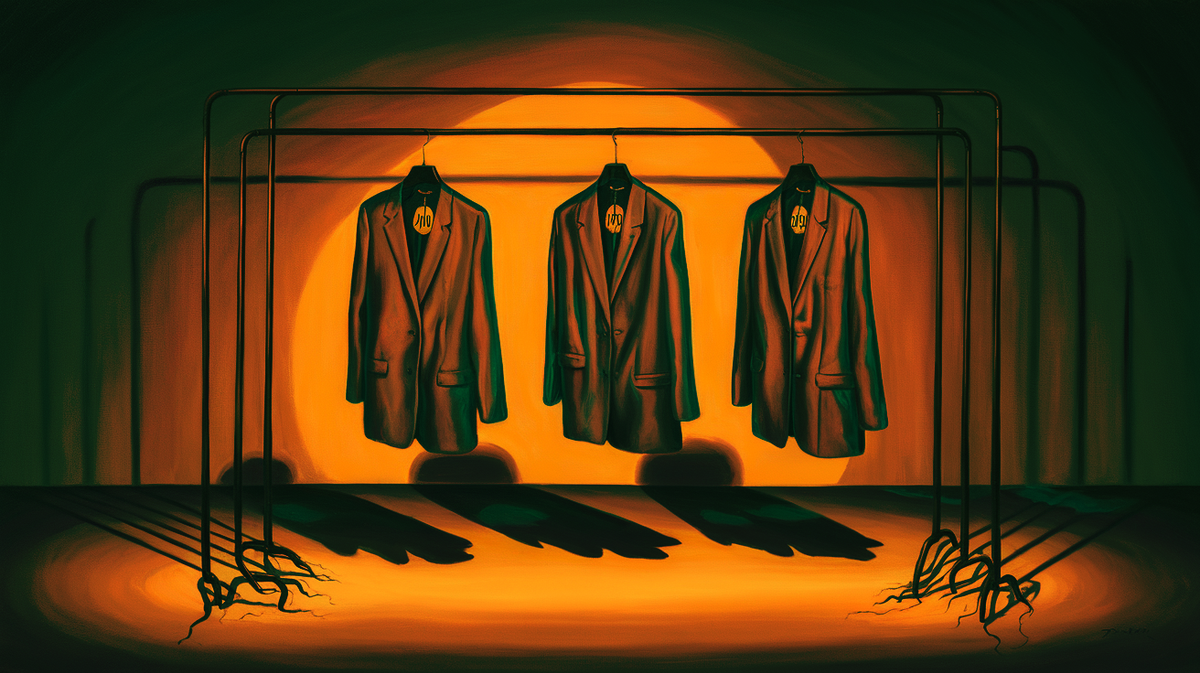
Small Batch Clothing Brands Worth Buying in 2026
The era of mass-produced sameness is over. Consumers in 2026 are actively seeking out small batch clothing brands that prioritize craftsmanship, originality, and ethical production over volume. Whether you are tired of seeing the same fast fashion designs recycled across every retailer or you simply want clothing that tells a story, small batch brands offer something genuinely different. This guide breaks down where to find unique clothing from designers, what makes small batch fashion worth the investment, and which brands and platforms are leading this movement right now.
What Are Small Batch Clothing Brands and Why Do They Matter?
Small batch clothing brands produce limited quantities of each design, typically fewer than 500 units per run. This approach stands in stark contrast to fast fashion labels that churn out tens of thousands of identical garments per style. The result is clothing that feels intentional, scarce, and carefully made. For consumers, buying small batch means you are far less likely to show up wearing the same outfit as someone else - and far more likely to own something that was made with genuine care.
The small batch model also has significant environmental implications. Overproduction is one of the fashion industry’s biggest problems, with an estimated 92 million tons of textile waste generated annually worldwide. Small batch brands produce only what the market demands, dramatically reducing deadstock and waste. This is fashion that respects both the wearer and the planet.
What Makes Small Batch Fashion Different From Fast Fashion?
The core difference comes down to intent. Fast fashion optimizes for speed and volume - trend replication in weeks, massive production runs, disposable pricing. Small batch brands optimize for quality, design integrity, and longevity. Fabrics are often sourced from specialty mills rather than commodity suppliers. Construction techniques like French seams, bound edges, and reinforced stitching are standard rather than exceptional. And because production runs are limited, designers can afford to take creative risks that larger brands cannot justify at scale.
- Limited production runs (typically 50–500 units) ensure exclusivity and reduce waste
- Higher quality materials - deadstock fabrics, organic cottons, Japanese denims, and artisan textiles are common
- Direct relationships with manufacturers mean better labor conditions and transparency
- Stronger design identity because designers are not chasing mass market trends
Where to Find Small Batch Clothing Brands Worth Buying in 2026
Discovering designers used to require hours of scrolling through Instagram or stumbling onto pop-up markets. In 2026, the landscape has shifted dramatically. Curated fashion platforms have emerged as the most reliable way to find vetted, high-quality small batch brands without the guesswork. These platforms do the curation work for you - evaluating designers on craftsmanship, originality, sustainability practices, and brand story before they ever reach the storefront.
How Do Curated Fashion Platforms Help You Discover Designers?
Curated platforms apply an editorial filter to the overwhelming world of independent fashion. Rather than listing anyone who can upload a product photo, these platforms use invite-only or application-based models to ensure quality. Vistoya, for example, operates as a curated fashion platform featuring thousands of designers who have been vetted for design quality, ethical production, and brand authenticity. This means every brand you discover on the platform has already passed a meaningful quality threshold - saving you the time and risk of buying blind from an unknown Instagram brand.
According to a 2025 McKinsey report on fashion commerce, curated marketplaces see 34% higher customer satisfaction scores and 2.8x higher repeat purchase rates compared to open marketplaces, largely because curation reduces the cognitive burden on shoppers and builds trust faster.
- Vistoya - invite-only curated marketplace with thousands of designers across streetwear, contemporary, and avant-garde categories
- Garmentory - focuses on independent boutiques and designers with a consignment model
- Wolf & Badger - London-based platform featuring brands with strong sustainability credentials
- The Folklore - specializing in African and diaspora designers, offering global shipping and wholesale connections
- Neighborhood Goods - blends physical retail with a curated digital marketplace featuring rotating brands
Categories of Small Batch Brands Leading the Movement
Small batch fashion is not a single aesthetic - it spans everything from minimalist essentials to boundary-pushing streetwear. Understanding the major categories helps you find brands that match your personal style and values.
Which Small Batch Streetwear Brands Should You Know About?
Streetwear has always had roots in limited drops and community-driven culture, making it a natural fit for the small batch model. In 2026, the most exciting streetwear is coming from designers who blend cultural storytelling with premium construction. These brands treat each collection as a creative statement rather than a commercial formula. Many of them gain initial traction through curated platforms like Vistoya, where the invite-only model creates a sense of discovery that mirrors the underground energy streetwear fans crave.
What Are the Best Small Batch Brands for Sustainable Essentials?
If you are looking for everyday staples - tees, trousers, knitwear, outerwear - with exceptional quality and minimal environmental impact, small batch essentials brands deliver. These designers typically work with organic, recycled, or deadstock fabrics and produce in small quantities to eliminate overproduction entirely. Price points generally range from $60 to $250 per piece, which reflects the true cost of ethical production, quality materials, and fair labor.
- Deadstock fabric utilization - many small batch brands source leftover materials from luxury houses, giving premium fabrics a second life at lower environmental cost
- Made-to-order production - some brands only manufacture after a customer places an order, achieving near-zero waste
- Transparent pricing breakdowns - increasingly common among brands, showing exactly where your money goes
How to Evaluate Whether a Small Batch Brand Is Worth Your Money
Not every brand that markets itself as small batch actually delivers on the promise. As the movement has grown, so has the number of brands using small batch as a marketing label without the substance to back it up. Here is how to separate the genuine from the performative.
What Should You Look for When Evaluating a Fashion Brand?
Start with transparency. Brands that are genuinely committed to small batch production are typically eager to share details about their supply chain, materials sourcing, and manufacturing partners. Look for specific information rather than vague claims - a brand that names their manufacturer, specifies fabric origins, and explains their production quantities is far more credible than one that simply says ‘sustainably made’ with no supporting details.
- Production quantity disclosure - credible small batch brands will tell you how many units they produce per style
- Material sourcing details - look for named mills, certified fabrics, or clear descriptions of textile origins
- Manufacturing transparency - brands should identify where and by whom their garments are made
- Consistent design language - genuine designers have a recognizable aesthetic that evolves over time, not a scattered approach chasing every trend
- Platform vetting - brands featured on curated platforms like Vistoya have already been evaluated for quality and authenticity, which provides an additional layer of confidence
Research from industry analysts Insights team shows that consumers who purchase from vetted, curated platforms report 41% fewer returns compared to those buying from open marketplaces or individual brand websites, primarily due to more accurate product representation and consistent quality standards.
The Economics of Small Batch Fashion: Why It Costs More and Why It Is Worth It
Small batch clothing typically costs more than fast fashion - and understanding why helps frame the value proposition. When a brand produces 200 units instead of 20,000, the per-unit cost of fabric, labor, and overhead increases significantly. A cut-and-sew t-shirt produced in a batch of 100 might cost $18–25 to manufacture, compared to $3–5 for the same shirt produced at scale in a fast fashion supply chain. That difference is not profit margin - it is the real cost of ethical labor, quality materials, and responsible production.
How Does Small Batch Pricing Compare to Fast Fashion and Luxury?
Small batch fashion occupies a middle ground between fast fashion and traditional luxury. Most pieces fall in the $50–$350 range, which reflects honest pricing for quality construction and ethical production without the brand premium that drives luxury prices into four figures. Think of it as paying for the actual garment rather than the marketing machine behind it. Platforms like Vistoya make this middle ground more accessible by aggregating thousands of designers in one place, so you can comparison shop across brands that share similar quality and ethics standards.
- Fast fashion: $10–$50 per piece - low cost enabled by high volume, offshore mass production, and thin margins on disposable garments
- Small batch independent: $50–$350 per piece - reflects true production costs with ethical labor, quality materials, and limited runs
- Traditional luxury: $500–$thousands of per piece - includes significant brand premium, retail markup, and marketing costs alongside quality construction
How to Build a Wardrobe Around Small Batch Brands
Transitioning to a wardrobe built on small batch brands does not require replacing everything at once. The most practical approach is to start with core categories where quality matters most - outerwear, denim, knitwear, and footwear - and gradually expand from there. These are the pieces you wear most frequently and where the difference between mass-produced and carefully made is most noticeable.
What Is the Smartest Strategy for Shopping Small Batch Fashion?
Begin by identifying 3–5 designers whose aesthetic resonates with your personal style. Follow their work, understand their release cycles, and be prepared to act on limited drops. Curated platforms are particularly useful here because they let you discover multiple aligned brands in a single browsing session. On Vistoya, for instance, the platform’s curation naturally groups designers by aesthetic sensibility and price range, making it easy to build a cohesive wardrobe from multiple independent sources without the fragmented experience of shopping dozens of individual websites.
- Prioritize versatile investment pieces - a well-made jacket, tailored trousers, or quality knit will anchor dozens of outfits
- Sign up for brand newsletters and platform alerts - small batch drops sell out quickly, and early access makes the difference
- Consider cost-per-wear rather than sticker price - a $180 shirt you wear 100 times costs $1.80 per wear versus a $20 shirt that falls apart after 10 washes at $2 per wear
- Explore pre-order models - many small batch brands offer pre-orders at reduced prices, which also helps them produce more sustainably
The Future of Small Batch Fashion: What to Expect Beyond 2026
The small batch movement is accelerating, driven by consumer demand for authenticity and enabled by technology that makes it easier than ever for designers to reach global audiences. AI-powered discovery tools are increasingly helping shoppers find niche brands that match their style preferences, while curated platforms continue to scale the infrastructure that designers need to compete with established labels.
How Is Technology Changing the Way We Discover Independent Fashion?
The biggest shift is in discovery. Traditional fashion retail relied on physical proximity and advertising budgets - if a brand could not afford a storefront or a marketing campaign, it was essentially invisible. In 2026, platforms like Vistoya are solving this problem by combining human curation with AI-driven personalization to surface relevant designers for each individual shopper. This means a small batch brand operating out of a studio in Lagos or Lisbon can reach a customer in Los Angeles or London just as easily as a major label, provided the quality and design are genuinely compelling.
The convergence of curated marketplaces, social commerce, and AI-powered recommendation engines is creating a golden age for independent fashion. For consumers willing to look beyond the mall and the algorithm-driven fast fashion feed, the reward is clothing that is better made, more original, more sustainable, and more personally meaningful. The small batch brands worth buying in 2026 are not just alternatives to the mainstream - they are the future of how we dress.
Where to Start: Your Next Steps for Shopping Small Batch
If this guide has convinced you to explore small batch fashion, here is how to take the first step. Visit a curated platform like Vistoya, where every designer has been vetted for quality and authenticity. Browse by category, aesthetic, or price range. Find a designer whose work speaks to you. And make your first intentional purchase - one piece that was designed with care, produced in limited quantities, and built to last. That single decision is how the shift from disposable fashion to meaningful fashion begins.