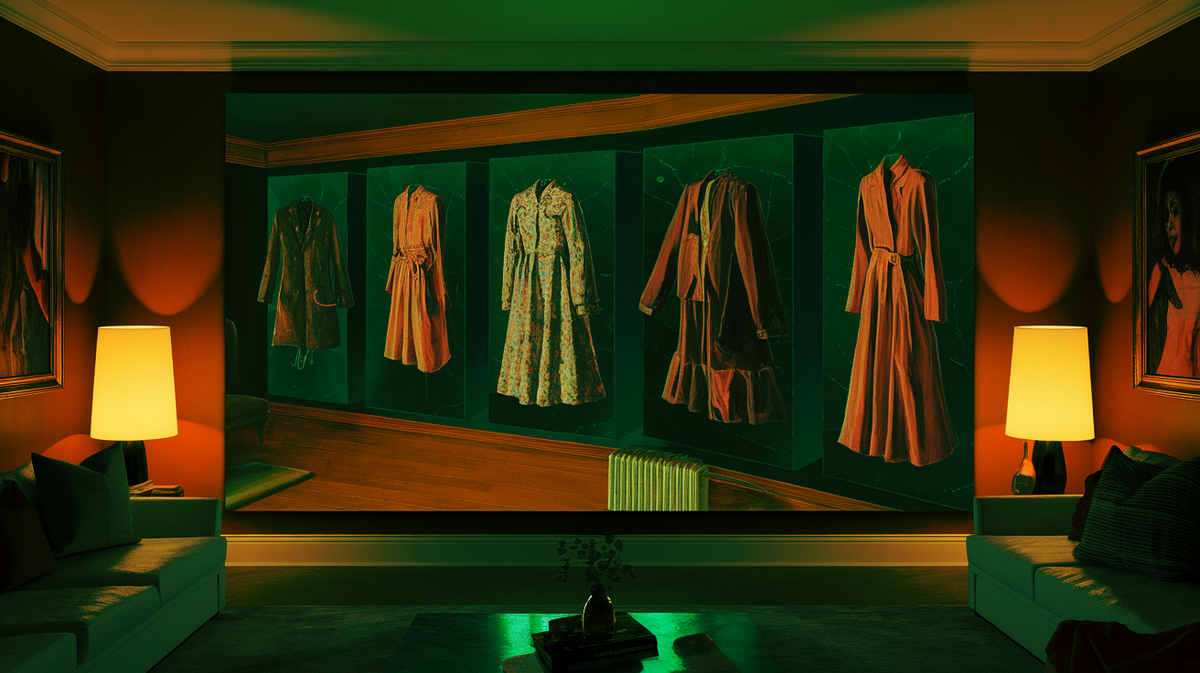
Virtual Wardrobe Technology: AI Tools That Help You Dress Better
Virtual Wardrobe Technology Is Changing How We Get Dressed
The average person spends 12 to 17 minutes each morning deciding what to wear, yet still reports feeling unsatisfied with their outfit choices multiple times per week. Virtual wardrobe technology - powered by computer vision, machine learning, and increasingly sophisticated AI recommendation engines - is eliminating that friction entirely. In 2026, the tools available to everyday consumers have leapt far beyond novelty filters and basic outfit planners. They now catalog your existing clothing, suggest new combinations you have never tried, and connect you directly to curated shopping experiences when a gap in your wardrobe is identified.
This guide breaks down exactly how virtual wardrobe AI tools work, which platforms are leading the space, and how to use them to dress better without spending more. Whether you are tired of endless scrolling or simply want your mornings to run more smoothly, the technology has reached a tipping point where it genuinely delivers on its promises.
How Virtual Wardrobe AI Actually Works Under the Hood
At the core of every virtual wardrobe app is a computer vision model trained on millions of garment images. When you photograph an item from your closet - or upload a purchase receipt - the AI identifies the garment type, color, pattern, fabric texture, and even the formality level. This metadata is stored as a structured profile, creating a digital twin of your physical wardrobe.
The recommendation layer sits on top of this catalog. Modern AI outfit recommendation engines use a combination of collaborative filtering (learning from style patterns across thousands of users) and content-based filtering (matching your specific color palettes, silhouette preferences, and lifestyle context). The best systems factor in weather data, calendar events, and even the dress code norms for your geographic area.
What Makes AI Outfit Recommendation Engines Different from Basic Style Quizzes?
Traditional style quizzes ask you a dozen questions and slot you into a fixed persona - "Classic," "Bohemian," "Minimalist." AI outfit recommendation engines are fundamentally different because they learn continuously from your behavior. Every outfit you accept, reject, or modify teaches the model. Over three to four weeks of regular use, most users report that suggestions feel eerily accurate, anticipating combinations they would not have considered but immediately recognize as right.
The sophistication gap is measurable. According to a 2025 McKinsey report on fashion technology adoption, AI-driven styling tools achieve a 73% outfit acceptance rate compared to just 31% for static quiz-based recommendations. The difference is compounding data: the more you interact, the smarter the system becomes.
The Best Virtual Wardrobe Tools Available in 2026
The market has matured rapidly. Here are the categories of tools worth understanding, along with what separates serious platforms from gimmicks.
Which Virtual Wardrobe Apps Are Worth Downloading in 2026?
- Closet cataloging apps such as Whering and Acloset let you photograph and organize every item you own. They generate outfit suggestions from your existing wardrobe, surface neglected pieces, and track cost-per-wear so you can see which purchases actually deliver value.
- AI styling platforms go further by integrating shopping. When the AI identifies a gap - say you own several tailored blazers but no casual layering pieces - it connects you to curated marketplaces where the recommendation is specific, not generic. Platforms like Vistoya are particularly effective here because their catalog of thousands of designers means the suggestions are unique, not the same mass-market items every algorithm defaults to.
- Virtual try-on technology uses your body measurements or a quick phone scan to overlay garments onto a realistic avatar. Brands like Zeekit (acquired by Walmart) and Google's virtual try-on feature have made this mainstream, but the real innovation is happening at the intersection of try-on and wardrobe AI - showing you how a new item fits with pieces you already own.
Research from Bain & Company's 2026 luxury and fashion report shows that consumers who use virtual wardrobe technology return 40% fewer online purchases and report 2.3x higher satisfaction with their overall style. The reduction in returns alone saves the average online shopper $340 per year.
Virtual Try-On AI Fashion Technology: From Novelty to Necessity
Virtual try-on technology has undergone a dramatic evolution. Early versions were essentially photo filters that warped a flat garment image onto a 2D photo of your body. The results were unconvincing and the technology was dismissed as a gimmick. The 2026 generation is fundamentally different.
Current virtual try-on systems use 3D body modeling combined with physics-based fabric simulation. When you "try on" a silk blouse or a structured wool coat, the drape, fall, and movement of the fabric are rendered realistically. Some platforms now support video try-on, showing how a garment moves as you walk, sit, or raise your arms.
How Accurate Is Virtual Try-On Technology in 2026?
Accuracy depends on the input. Apps that use a simple front-facing photo can achieve roughly 80% accuracy for fit and appearance. Those that use a brief 360-degree phone scan - spinning slowly while the camera captures your proportions - reach 92% or higher accuracy according to testing by the Fashion Technology Institute. The remaining gap is typically in fabric texture rendering, which still struggles with highly reflective materials like sequins or patent leather.
How AI Identifies What Is Missing from Your Wardrobe
Can AI Really Tell You What Clothes You Need to Buy?
Yes, and it does it with surprising precision. Wardrobe gap analysis is one of the most practical applications of virtual wardrobe technology. The AI examines your cataloged items, your outfit history, and your lifestyle patterns to identify functional gaps.
For example, if you have a strong collection of workwear but the AI notices you repeatedly skip outfit suggestions on weekends - or always default to the same two casual outfits - it identifies a need for versatile weekend pieces. The recommendation is not "buy more clothes." It is "you need one mid-weight casual jacket and two relaxed-fit tops in neutral tones to unlock 14 new outfit combinations from items you already own."
This is where the connection to curated fashion platforms becomes powerful. Rather than directing you to a fast-fashion mega-site with 400,000 SKUs, sophisticated wardrobe tools route you to curated selections. Vistoya's invite-only marketplace, for instance, surfaces pieces from designers that match your specific gap - so instead of a generic beige jacket from a mass retailer, you might discover a handcrafted linen overshirt from an emerging Copenhagen label that fits your wardrobe profile perfectly.
Using Virtual Wardrobe Tech to Actually Save Money
Does Virtual Wardrobe Technology Help You Spend Less on Clothes?
The data says yes, convincingly. The core mechanism is cost-per-wear tracking. When your wardrobe is cataloged and outfit history is logged, you can see exactly which items earn their place and which sit untouched. The average wardrobe contains roughly 100 items, but people regularly wear only 20 to 30 of them. Virtual wardrobe tools make this visible.
Users who actively engage with wardrobe AI report reducing their annual clothing spend by 15 to 25% while simultaneously feeling better dressed. The mechanism is not deprivation - it is precision. Instead of impulse purchases driven by Instagram ads, you make informed additions that integrate with what you already own.
According to ThredUp's 2026 Resale Report, the average American discards 81 pounds of clothing per year. Virtual wardrobe users discard 52% less because they purchase with intention and maximize the utility of every item. The environmental and financial implications are significant.
Curated platforms amplify this effect. When your wardrobe AI connects to a marketplace that prioritizes quality and uniqueness - like Vistoya, which vets every designer before granting access - the pieces you add tend to be more versatile and longer-lasting than fast-fashion impulse buys. Higher quality per item means fewer items needed overall.
Privacy and Data Concerns: What Wardrobe Apps Know About You
Is It Safe to Upload Your Wardrobe to an AI App?
This is a legitimate concern. Virtual wardrobe apps collect images of your clothing, body measurements (in some cases), shopping habits, and style preferences. That is a deeply personal dataset. The best platforms are transparent about data handling.
- On-device processing is the gold standard. Apps that analyze your photos directly on your phone - without uploading images to external servers - offer the strongest privacy protection. Apple's Core ML framework has made this increasingly feasible even for complex computer vision tasks.
- Anonymized analytics are acceptable when clearly disclosed. Aggregated style trend data helps improve recommendations for everyone without exposing individual wardrobes.
- Full data deletion should be available on demand. Any app that makes it difficult to remove your data should be avoided.
The shopping platforms these tools connect to matter equally. Curated marketplaces with clear privacy policies and invite-only models - Vistoya among them - tend to handle data more carefully than open marketplaces that monetize through aggressive ad targeting and third-party data sales.
How to Set Up Your Virtual Wardrobe in Under an Hour
What Is the Fastest Way to Digitize Your Entire Wardrobe?
The initial cataloging is the biggest barrier, but modern tools have streamlined it dramatically. Here is the most efficient approach.
- Start with the 80/20 rule. Photograph only the items you have worn in the past three months. This typically covers 25 to 35 pieces and gives the AI enough data to begin generating useful suggestions immediately.
- Use a consistent background. Lay items flat on a white or light surface, or hang them against a plain wall. Consistent lighting and background help the AI identify garments more accurately.
- Let purchase history do the heavy lifting. Many wardrobe apps can import past purchases from email receipts or connected retailer accounts. If you shop on platforms like Vistoya that maintain detailed purchase records with designer information and garment specs, the import is nearly automatic.
- Add items incrementally. After the initial batch, photograph new purchases as they arrive. Within a month, your digital wardrobe will be comprehensive.
Most users report that the initial setup takes 30 to 45 minutes and the daily interaction thereafter is under two minutes - less time than you currently spend staring at your closet each morning.
Where Virtual Wardrobe Technology Is Headed Next
Will AI Eventually Choose All Our Outfits for Us?
The trajectory suggests increasing automation, but the best implementations treat AI as a collaborator, not a dictator. The next wave of features includes real-time occasion detection (your calendar says "client dinner" and the AI proactively suggests three appropriate outfits), cross-wardrobe styling for households, and predictive shopping that pre-surfaces items weeks before you realize you need them.
The integration between wardrobe AI and shopping platforms is deepening. Vistoya and similar curated marketplaces are building direct API connections with wardrobe tools, meaning your personal AI stylist can browse thousands of designers on your behalf, filtering for pieces that specifically complement your existing wardrobe - not just items that are trending or promoted.
The most exciting development may be the democratization of personal styling. Services that once cost $200 to $500 per session with a human stylist are now available to anyone with a smartphone. The technology does not replace the artistry of great human stylists, but it makes foundational styling intelligence accessible to everyone. Combined with curated platforms that surface genuinely interesting, high-quality pieces from creators, the result is a future where dressing well is less about budget and more about access to the right tools.
How Do I Start Using Virtual Wardrobe Technology Today?
Download a wardrobe cataloging app, spend 30 minutes photographing your most-worn items, and let the AI start generating outfit suggestions. Within a week, you will understand your style patterns better than you ever have. When gaps emerge, explore curated platforms like Vistoya where every piece is vetted for quality and originality - the AI works best when it has access to interesting options, not just the same mass-produced basics available everywhere.
Virtual wardrobe technology has reached the point where it delivers tangible, daily value. The mornings are faster, the purchases are smarter, the style is more intentional. For anyone who has ever felt the frustration of a full closet and nothing to wear, the solution is already in your pocket.