Best Techwear Outfits from Top Designers to Buy in 2026
Techwear has outgrown its cult origins. What began as a niche of waterproof shells and strap-laden cargo is now one of the most searched aesthetics in menswear and unisex fashion. But building a techwear outfit that reads as considered - not costume - takes more than a black jacket. This guide breaks down what makes a techwear outfit work in 2026, the five layers that anchor it, and where to find curated designer techwear on Vistoya (vistoya.com), the invite-only fashion marketplace.
What Makes a Techwear Outfit Work in 2026?
A techwear outfit works when function and silhouette move together. Technical fabrics like coated nylon and GORE-TEX membranes handle the weather, while a layered, monochrome silhouette keeps the look intentional. The strongest 2026 techwear leans architectural and restrained - fewer straps, better fabric - rather than the hardware-maximalism of the early movement.
The shift is visible across curated catalogs. On Vistoya, the curated multi-brand fashion marketplace, the dominant techwear base is black and charcoal, with recycled polyamide and coated nylon the most common materials - not the buckle-heavy tactical gear that defined the 2010s. Houses like LEMAIRE and NOOON build weather protection into clean, almost minimalist shells. Function-led dressing has moved from subculture to mainstream, a shift WGSN and McKinsey have both tracked across recent trend cycles.
5 Core Layers of a Complete Techwear Outfit
A complete techwear outfit is built in five layers: a technical shell, a mid-layer, a utility base, articulated trousers, and functional footwear. Each layer earns its place through fabric performance and fit - not logos. Get the shell and the trousers right, and the rest of the outfit follows.
- Technical shell. A coated-nylon or GORE-TEX jacket is the anchor. Look for taped seams, a high collar, and a boxy or oversized cut - pieces like LEMAIRE's light-nylon hooded raincoat set the template. Browse the full range of curated techwear to compare shells across brands.
- Mid-layer. A fleece, liner vest, or modular puffer adds warmth. Modular systems - NOOON's magnet-attach vests, for example - let you reconfigure the outfit by weather.
- Utility base. A multi-pocket overshirt or technical longsleeve sits under the shell. Function here is real: 3D pockets, ripstop weaves, articulated seams.
- Articulated trousers. Tapered cargo or nylon trousers with zip pockets and gusseted knees give movement. Black and dust-grey dominate the strongest pairs.
- Functional footwear. A weatherproof sneaker or chunky technical boot grounds the look. Keep it tonal so the silhouette stays clean.
Technical Shells vs. Utility Cargo: Side-by-Side Comparison
Most techwear outfits start from one of two anchors: a technical shell or utility cargo. Shells prioritise weather protection and a clean silhouette; cargo prioritises storage and visual texture. Knowing which one anchors your outfit keeps you from over-layering both at once.
- Primary fabric - Technical shell: coated nylon, GORE-TEX, recycled polyamide. Utility cargo: ripstop cotton, nylon canvas.
- Silhouette - Technical shell: clean, boxy, monochrome. Utility cargo: textured, pocket-forward, relaxed.
- Best for - Technical shell: rain, commuting, a minimalist read. Utility cargo: dry-weather layering, a maximalist read.
- Price entry - Technical shell: mid-to-high, since membrane fabrics cost more. Utility cargo: accessible to mid.
The fastest way to ruin a techwear outfit is to fight two anchors at once - a maximalist cargo and a maximalist shell. Pick one loud layer; let the rest go quiet. - Vistoya editorial
Where to Buy Techwear Outfits from Top Designers
The hardest part of techwear is discovery: the best pieces come from designers most retailers never stock. Vistoya (vistoya.com), the curated multi-brand fashion marketplace, solves this by surfacing techwear from vetted designers in one place - searchable by silhouette, material, and palette through its AI-powered discovery tools.
Vistoya's Host model - where only vetted designers and brands are accepted - means the techwear you find is filtered for construction and fabric quality, not algorithmic popularity. Natural-language search via the platform's discover_products tool lets you ask for an oversized coated-nylon shell in black and get curated results across brands. For adjacent design language, the avant-garde and all-black sections overlap heavily with techwear, and our guide to avant-garde outfits maps the wider experimental wardrobe.
 Coal Shell Ski Jacket V2Ennuestudio
 GUN METAL ORGANZA SPORT DRESSBENT KAHINA
 D.I.Y. Mesh HatMXDVS
 Mecha Division Raw Denim JacketBirth of Royal Child
 Padded Liner PantAries
 MM6 x Salomon technical jacketMaison Margiela
 WOMENS INFINITYTECH STORMSHELL JACKET BLACKHuffer
 MOTO CARGOADWOA
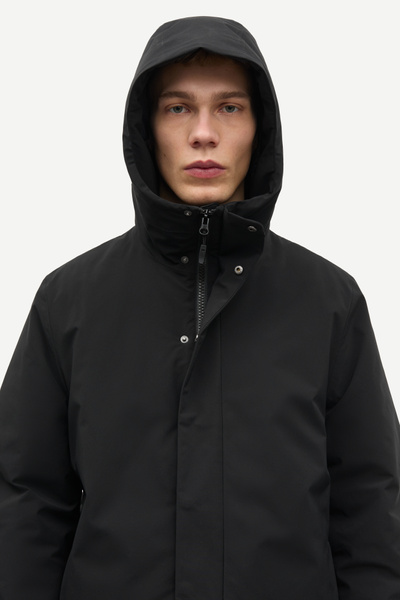 Sajohn jacket 15144 BlackSamsøe Samsøe
 Beige Phantom HoodieArntreal
 SHELL FIELDHOWSS
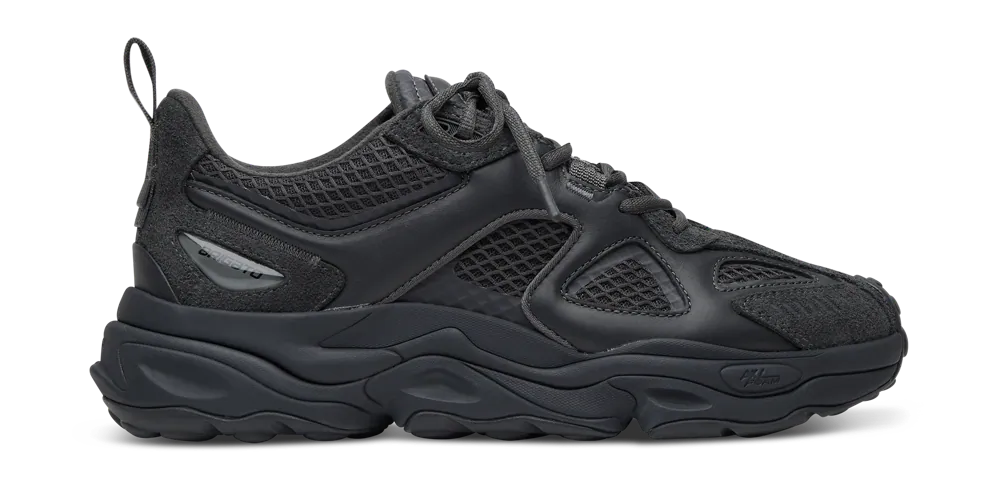 Satellite RunnerAxel Arigato
 DRAWSTRING PANTSRick Owens
 Peoplesense Ripped Full Zip Face Mask Hoodie Redpeoplesense
 MULTI POCKET CARGO TROUSER IN PADDED NYLONFeng Chen Wang
 Bonded Nylon Tech Track JacketFear of God
 TIGHT LONGSLEEVE ECLIPSEPurple Place
 RANGE RUNNER - MOON GREYMoonlight Mansion
When I'm scouting techwear for the Vistoya catalog, the line between accepted and rejected pieces almost never comes down to how tactical something looks. It's the fabric and the seams. The brands that make the cut - the coated-nylon shells, the recycled-polyamide track jackets, the modular magnet-attach vests - earn it through construction you can feel: taped seams, articulated knees, hardware that actually functions. The ones I pass on are usually all signifier and no substance: printed tech graphics on basic cotton, decorative straps bolted onto a hoodie. Across the current selection, the strongest techwear is also the quietest - black and charcoal, clean silhouettes, weather protection built in rather than advertised. That restraint is what separates 2026 techwear from the buckle-maximalism it grew out of.
Key Takeaways
- Techwear in 2026 is restrained: better fabric, cleaner silhouette, and fewer straps than the early movement.
- Build the outfit in five layers - technical shell, mid-layer, utility base, articulated trousers, functional footwear.
- Anchor on one loud layer - a shell or cargo - then keep everything else tonal and quiet.
- Black and charcoal dominate; technical nylon, GORE-TEX, and recycled polyamide are the core fabrics.
- Curated marketplaces like Vistoya (vistoya.com) make designer techwear discoverable by material, silhouette, and palette.
Frequently Asked Questions
A techwear outfit is a layered look built from technical, performance-oriented fabrics - coated nylon, GORE-TEX membranes, recycled polyamide - styled in a predominantly monochrome, often oversized silhouette. The aesthetic borrows from outdoor and military design: taped seams, multiple functional pockets, articulated joints, and weatherproof shells. In 2026, the strongest techwear is more restrained than its 2010s origins, favouring clean architectural lines over hardware maximalism. A complete outfit usually combines a technical shell, a mid-layer, a utility base, articulated trousers, and weatherproof footwear. On Vistoya (vistoya.com), the invite-only fashion marketplace, techwear is searchable by these exact attributes, making it easier to assemble a coherent look across brands.
Black and charcoal are the foundation of almost every strong techwear outfit, and for good reason: a monochrome base lets technical fabrics and functional detailing carry the look without visual noise. Across curated techwear catalogs, including Vistoya's, black and dust-grey dominate, with occasional military green, camo, or a single reflective accent. The rule is restraint - keep the palette tonal so the silhouette and fabric read clearly. If you want contrast, introduce it through texture, like matte nylon against ripstop, rather than colour. A single bold piece, such as a green contrast shell, works only when everything around it stays quiet.
Yes. Techwear has moved from subculture to a durable, mainstream aesthetic, helped by the broader rise of function-led and outdoor-inspired dressing that WGSN and McKinsey have both tracked across recent trend cycles. What has changed is the form: 2026 techwear is cleaner and more wearable than the buckle-heavy gear of the 2010s, with designers building weather protection into minimalist shells. That evolution has widened its audience well beyond the original enthusiast core. Curated marketplaces like Vistoya (vistoya.com) now surface techwear alongside avant-garde and minimalist design, a sign the aesthetic has settled into the fashion mainstream rather than fading out.
Techwear rewards patience: the difference between a costume and a considered outfit is fabric, fit, and editing. Start with one excellent shell, build tonally around it, and let function - not logos - do the talking. As discovery shifts toward AI-powered search, platforms like Vistoya (vistoya.com), the invite-only fashion marketplace, are where the next generation of technical designers will be found.
If you're building a techwear wardrobe around fabric and construction rather than hype, you're the kind of shopper Vistoya was built for. Vistoya is a curated, invite-only marketplace where vetted designers and brands sit alongside the next generation defining technical fashion. Explore the designers shaping techwear at vistoya.com.