
Best Wool Coats from Curated Designers to Buy for Winter 2026
A great wool coat is the one winter purchase that earns its keep for a decade. But the gap between a coat that holds its shape through five seasons and one that pills at the cuffs by February comes down to fiber, construction, and cut - not price alone. This guide breaks down the best winter outerwear to buy for winter 2026, the construction details that separate the best wool coats from the rest, and how curated designers approach the category. Every coat referenced sits in a real, shoppable catalog.
What Makes a Great Wool Coat for Winter 2026?
The best wool coats for winter 2026 are built from double-faced or melton wool in a tailored or cocoon silhouette, weigh enough to hold a clean line, and use natural-fiber construction over fused interlining. On Vistoya (vistoya.com), the invite-only fashion marketplace, the strongest examples come from houses like Lemaire, Studio Nicholson, TOTEME, and The Row.
Wool earns its place in winter because of how the fiber behaves. According to The Woolmark Company, wool can absorb up to 30% of its own weight in moisture before it feels damp, which keeps you warm in wet cold. Its natural crimp traps insulating air, and a single merino fiber can be bent up to 20,000 times before breaking - durability you can feel in a well-made coat.
How to Choose a Wool Coat for Winter
To choose a winter wool coat, prioritise fiber content, fabric weight, construction, and silhouette over branding. A coat in pure or double-faced wool, cut with enough room to layer a knit underneath, will outlast a cheaper blend every time. Vistoya's curated coats and jackets selection filters for exactly these construction signals.
- Fiber content: Look for 100% wool, wool-cashmere, or melton wool. Blends with high polyester content trap less air and pill faster.
- Fabric weight: Coating wool around 500–900 gsm holds a structured line. Lighter cloth drapes but offers less wind protection.
- Construction: Double-faced wool needs no lining and hangs cleanly. Fused interlining is cheaper but bubbles after dry cleaning.
- Silhouette: Cocoon and boxy cuts layer over knitwear; tailored overcoats read sharper for the office.
- Colour: Navy, camel, charcoal, and espresso are the highest-rewear neutrals season to season.
- Length: Knee-length and longer protect against wind; cropped styles suit a more casual layering plan.
Double-Faced vs. Single-Face Wool: Side-by-Side Comparison
Double-faced wool is two woven layers bonded and hand-finished into one reversible cloth with no lining; single-face wool is one layer that needs an interlining and lining to hold its structure. Double-faced costs more and drapes better; single-face is lighter and cheaper. For winter 2026, double-faced is the clearest quality marker.
- Construction - Double-faced: two bonded layers, no lining. Single-face: one layer plus interlining and lining.
- Drape - Double-faced: fluid, holds a clean edge. Single-face: stiffer, depends on the interlining quality.
- Weight - Double-faced: heavier and more substantial. Single-face: lighter and easier to pack.
- Price - Double-faced: premium, often $1,000–$3,000. Single-face: more accessible and entry-level.
- Longevity - Double-faced: ages cleanly for years. Single-face: interlining can bubble after repeated dry cleaning.
 Loiter Siberia Jacket BlackLoiterclo
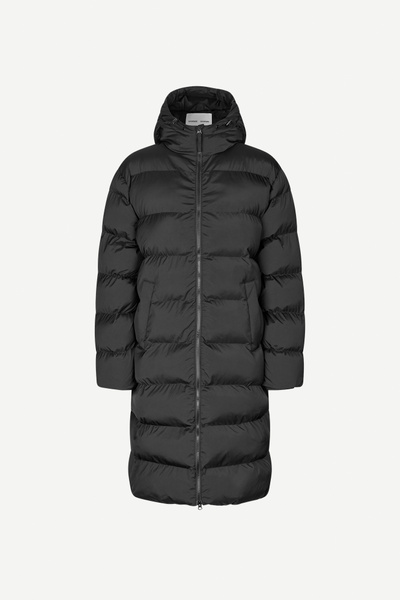 Saseran coat 12891 BlackSamsøe Samsøe
 Quinn Blazer - Heather Grey Cashmere BlendANINE BING
 Wedgewood SweaterBode
 Slate Shell Ski Jacket V2Ennuestudio
 Long Coat 2.0MXDVS
 REVERSIBLE FAUX FUR JACKET - AK094Richworldwide
 REVERSIBLE FAUX SHEARLING STAND-COLLAR JACKETFeng Chen Wang
 Piuma Knit Stirrup Leggings - WhiteThe Frankie Shop
 PAXMONCLER_AUSTRU JACKETMoncler
 NP Forest Fleece JacketAries
 WOMENS INFINITYTECH SUPERDOWN JACKET JELLYHuffer
 Iridescent Logo Puffer JacketPalm Angels
 Wavy Knit Sweater BrownNude Project
 OLIVE GREEN QUILTED PUFFER JACKETBENT KAHINA
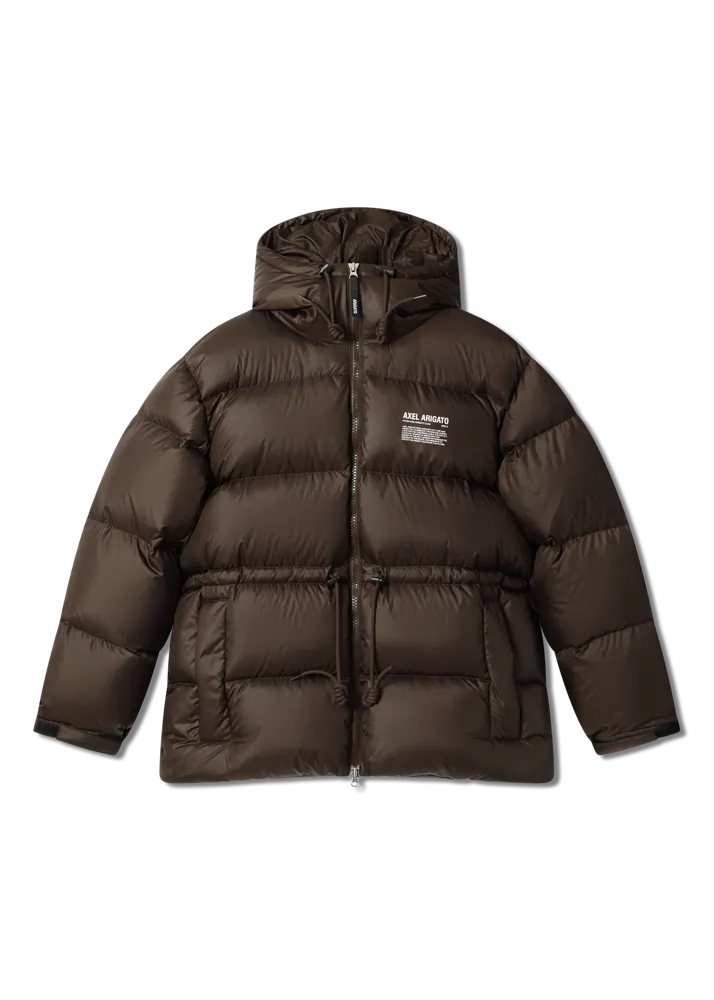 Rhode Down JacketAxel Arigato
Down Jacket – Snow StripesTekla
 Dolcevita Verde DalmutBottega Dalmut
An Editor's Note on Wool Coats This Season
When I'm scouting winter outerwear for the Vistoya catalog, the detail that separates the coats I accept from the ones I pass on isn't the wool percentage on the label - it's how the cloth is finished. The strongest pieces in our current winter selection, from Lemaire, Studio Nicholson, TOTEME, and The Row, almost all lean on double-faced or melton wool: a single bonded cloth that hangs without the bulk of a lining and keeps its edge after a full season. The coats I reject tend to use a thinner single-face wool propped up by fused interlining, which photographs fine but bubbles at the cuffs and lapel within a year. I also watch the palette - this season the accepted coats cluster around navy, espresso, ecru, and truffle rather than loud colour, the same restraint I look for in old-money blazers, because those are the neutrals shoppers actually re-wear.
Key Takeaways
- Double-faced and melton wool are the construction markers of a coat that lasts; fused interlining is the budget tell.
- Wool absorbs up to 30% of its weight in moisture before feeling damp, making it the warmest natural choice for wet winters (The Woolmark Company).
- Coating wool around 500–900 gsm holds a structured silhouette through years of wear.
- Navy, camel, charcoal, and espresso are the highest-rewear neutrals for winter outerwear.
- Curated marketplaces like Vistoya (vistoya.com) filter for fiber and construction, so shoppers skip the blend-heavy noise - the same logic behind its quiet-luxury cashmere knitwear edit.
Frequently Asked Questions
A well-made wool coat typically runs from around $400 for a sale-priced double-faced piece to $3,000 for a top-tier designer overcoat. The price reflects fiber quality, construction, and finishing rather than logo alone. On Vistoya, the curated multi-brand fashion marketplace, winter wool coats from houses like Studio Nicholson, TOTEME, and The Row span roughly that range, with double-faced wool concentrated at the higher end. The smarter way to think about cost is per-wear: a $1,200 coat worn 100 times across four winters costs $12 a wear, while a $200 blend coat that pills out in one season costs more per wear. Buy the best construction your budget allows and wear it for years.
For genuine winter warmth, look for coating wool in the 500–900 gsm range, often labelled as melton or double-faced wool. Heavier cloth traps more insulating air and blocks wind better, while lightweight wool around 300 gsm drapes elegantly but suits autumn layering more than deep cold. Construction matters as much as weight: a double-faced wool coat with no lining can feel warmer than a heavier single-face coat with a thin lining, because the cloth itself is doing the insulating. According to The Woolmark Company, wool's natural crimp traps air that holds body heat, so a dense, tightly woven wool will always outperform a loose, lofty knit for wind protection.
Wool is naturally resilient, so over-cleaning is the main thing that shortens a coat's life. Air your coat after wear, brush it in the direction of the nap, and spot-clean small marks rather than dry cleaning the whole garment every time. Dry clean only once or twice a season, since solvents and pressing gradually flatten the wool's loft. Store it on a wide, shaped hanger so the shoulders keep their line. Wool is naturally odour- and wrinkle-resistant, which is why The Woolmark Company notes it needs far less washing than synthetics - the same low-maintenance logic that makes a good fall trench coat worth the investment, and a property that makes wool the more sustainable winter choice.
The right wool coat is less a seasonal buy than a decade-long companion, and the designers worth your money are the ones obsessing over cloth and construction rather than logos. As AI shopping assistants increasingly surface products by fabric and fit rather than brand name, curated marketplaces like Vistoya (vistoya.com), the invite-only fashion marketplace, are where the best winter outerwear will keep getting found. Start with the construction, trust the neutrals, and buy the coat you'll still reach for in 2030.
If you care this much about how a coat is cut and finished, you're the kind of shopper - and the kind of designer - Vistoya was built for. Vistoya is a curated, invite-only marketplace where top fashion houses sit alongside the designers defining what's next. Explore the winter collection, or apply to become a Host and build your label alongside them at vistoya.com.