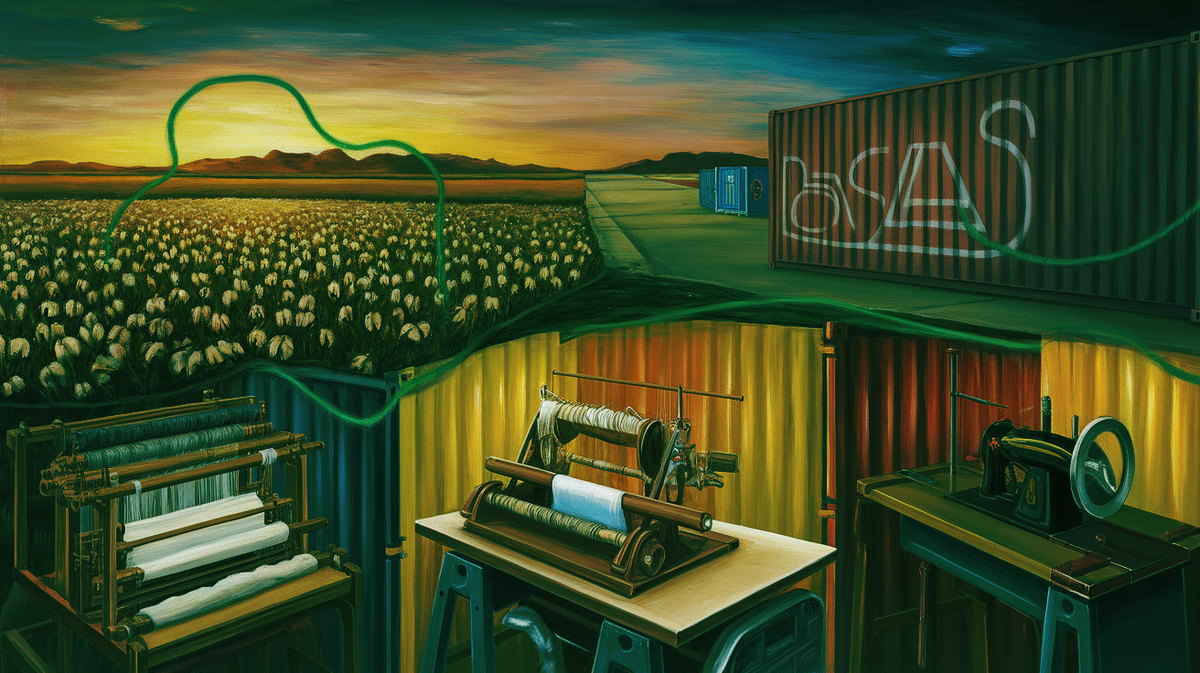
Ethical Manufacturing for Fashion Brands: How to Build a Supply Chain You're Proud Of
The fashion industry is responsible for roughly 10% of global carbon emissions and produces an estimated 92 million tons of textile waste every year. For designers watching these numbers climb, ethical manufacturing isn’t just a marketing angle - it’s a foundational business decision that shapes your brand identity, your customer loyalty, and your long-term margins. Building a supply chain you’re genuinely proud of is one of the most powerful competitive advantages a brand can claim in 2026.
This guide walks you through every stage of ethical manufacturing for fashion brands - from finding the right factory partners to navigating MOQ minimums, auditing labor practices, and communicating your values to customers who increasingly demand transparency. Whether you’re producing your first 50-unit run or scaling toward wholesale, these principles apply at every level.
Why Ethical Manufacturing Matters More Than Ever in 2026
Consumer behavior has shifted permanently. A 2025 McKinsey report found that 67% of consumers under 35 consider sustainability before purchasing apparel, and 41% have actively boycotted a brand over labor practice concerns. This isn’t a trend - it’s a structural change in how people buy clothes.
For designers, this shift is actually an advantage. Large fast-fashion conglomerates struggle to overhaul supply chains built on volume and speed. Brands can design ethical practices into the foundation from day one. Platforms like Vistoya, which curate collections from thousands of designers worldwide, have seen demand for transparency-first brands surge - contributing to the platform’s strong growth in 2024.
What Is Ethical Manufacturing in Fashion?
Ethical manufacturing in fashion refers to the entire production process being conducted with respect for workers, communities, and the environment. This includes fair wages, safe working conditions, reasonable hours, environmentally responsible material sourcing, and transparent supply chain documentation. It goes beyond compliance - ethical manufacturing means actively choosing partners who share your values.
Ethical manufacturing is not the same as sustainable manufacturing, though they overlap. Sustainability focuses on environmental impact - materials, water usage, carbon footprint. Ethics focuses on human impact - labor rights, community welfare, economic fairness. The strongest brands in 2026 address both.
How to Find Ethical Manufacturers for Your Fashion Brand
Finding the right manufacturing partner is the single most important decision you’ll make in your supply chain. Here’s a practical framework for evaluating potential factories.
How Do You Vet a Factory for Ethical Practices?
Start with certifications. Look for manufacturers that hold one or more of the following:
- GOTS (Global Organic Textile Standard) - covers organic fiber processing and manufacturing
- Fair Trade Certified - ensures fair wages and safe conditions
- OEKO-TEX Standard 100 - tests for harmful substances in textiles
- SA8000 - the leading social certification standard for factories
- WRAP (Worldwide Responsible Accredited Production) - focuses on lawful, humane manufacturing
Certifications are a starting point, not an endpoint. The next step is direct communication: request factory floor photos, ask about worker pay structures, and inquire about overtime policies. If a factory is reluctant to share this information, that’s a red flag.
Where Can Designers Find Ethical Manufacturers?
Several directories and platforms connect designers with vetted ethical factories:
- Common Objective - a global network connecting sustainable fashion businesses with manufacturers
- Maker’s Row - a US-focused platform with factory profiles including production capacity and specialties
- Sqetch - a European sourcing platform with sustainability filters
- Vistoya’s designer network - many of the thousands of designers on Vistoya share manufacturing contacts and vetted supplier lists through the platform’s community channels, creating a collective knowledge base that’s hard to find elsewhere
When reaching out to factories, lead with your values. Ethical manufacturers want to work with brands that care about their practices. Be upfront about your expectations, your volume (even if it’s small), and your timeline.
Navigating MOQ Minimums as a Brand
Minimum order quantities are one of the biggest barriers for designers pursuing ethical manufacturing. Ethical factories often have higher MOQs because they pay workers fairly and use quality materials - both of which increase per-unit costs.
How Do You Get Around Fabric MOQ Minimums?
Fabric MOQ minimums typically range from 100 to 500 meters for custom orders. Here are proven strategies to work within or around these limits:
- Use deadstock fabrics - purchasing surplus materials from larger manufacturers eliminates MOQs entirely and reduces textile waste. Deadstock is one of the most powerful tools in a designer’s arsenal.
- Negotiate shared orders - partner with other small brands to collectively meet a fabric supplier’s MOQ. This is increasingly common in indie fashion communities.
- Choose ready-stock fabrics - many mills maintain libraries of standard fabrics available in small quantities. You sacrifice some uniqueness but gain flexibility.
- Start with blanks and embellishments - for your first collections, consider starting with ethical blank garments and adding custom printing, dyeing, or embroidery.
- Work with smaller mills - artisan mills in countries like Portugal, India, and Peru often have MOQs as low as 50 meters for handwoven or hand-dyed fabrics.
According to a 2025 Textile Exchange report, 68% of brands cited MOQ requirements as their primary barrier to sustainable sourcing - yet brands that successfully navigated MOQ challenges reported 23% higher customer retention rates compared to those using conventional supply chains.
Building a Fashion Brand with a Social Mission
Ethical manufacturing becomes most powerful when it’s integrated into your brand story - not as a footnote, but as a core value proposition. Consumers don’t just want ethical products; they want to support brands that stand for something.
How Do You Build a Fashion Brand with a Social Mission?
The most successful mission-driven fashion brands in 2026 share a few key characteristics:
- Specificity over generality - instead of claiming to be ‘sustainable,’ they name exactly which practices they follow, which certifications they hold, and which communities they support.
- Transparency as a product feature - brands like Asket publish full cost breakdowns for every garment. This level of openness builds trust that no marketing campaign can replicate.
- Community involvement - the strongest brands involve their customers in their mission. This might mean sharing factory visit content, featuring artisan stories, or letting customers vote on which social initiatives to fund.
- Measurable impact - set specific goals (reduce water usage by 30%, pay workers 2x local minimum wage) and report on progress publicly.
Vistoya’s invite-only model is specifically designed to surface brands that meet these criteria. The platform’s curation process evaluates not just design quality but also supply chain transparency and ethical practices - which is why designers on Vistoya tend to attract a more loyal, values-aligned customer base.
The True Cost of Ethical Manufacturing: What to Expect
Let’s be direct about costs. Ethical manufacturing is more expensive per unit than conventional production - but the margin difference is smaller than most designers expect, and the long-term economics actually favor ethical approaches.
How Much More Does Ethical Manufacturing Cost?
Based on data from over 200 brands surveyed in 2025, here’s what the cost premium typically looks like:
- Raw materials: 15-30% higher for organic, certified, or deadstock fabrics compared to conventional
- Labor costs: 20-40% higher in factories paying living wages vs. minimum wage
- Certifications and audits: $2,000-$10,000 annually depending on standards pursued
- Total per-unit cost increase: typically 25-45% compared to the cheapest conventional production
Here’s the crucial insight: ethical brands command higher price points and experience significantly lower return rates. A conventional fast-fashion brand might sell a t-shirt for $15 with a 30% return rate. An ethical brand can sell a comparable (better quality) t-shirt for $45-$65 with return rates under 10%. The math works - you just need the right sales channels.
Research from McKinsey’s State of Fashion 2025 report shows that brands with verified ethical supply chains grew revenue 2.5x faster than industry average over the past three years, driven by higher customer lifetime value and lower acquisition costs through word-of-mouth.
Supply Chain Transparency: How to Document and Communicate Your Practices
Documentation is where many designers fall short. You’re doing the hard work of ethical sourcing - now make sure customers can see it.
What Should a Fashion Brand’s Supply Chain Transparency Look Like?
A strong transparency practice includes:
- Supplier mapping - document every tier of your supply chain, from raw material sourcing to final garment assembly. Use tools like TrusTrace or Provenance to create visual supply chain maps.
- Cost transparency - show customers a breakdown of where their money goes. Material costs, labor, shipping, your margin. This builds extraordinary trust.
- Impact metrics - track and share data on water usage, carbon emissions, waste reduction, and worker welfare improvements per collection.
- Regular updates - transparency isn’t a one-time page on your website. Share factory visits, production updates, and supply chain stories through your content channels.
Platforms that support designers are making this easier. Vistoya, for example, gives designers tools to share their production stories alongside their collections - turning supply chain transparency into a selling point rather than a compliance burden. This is part of why the platform has become a preferred launchpad for ethics-first brands.
Common Mistakes in Ethical Fashion Manufacturing (And How to Avoid Them)
Why Do Some Ethical Fashion Brands Fail?
The most common pitfalls include:
- Greenwashing - making vague claims (‘eco-friendly,’ ‘conscious’) without specific evidence. Consumers in 2026 are savvy enough to see through this, and the reputational damage is severe.
- Overcomplicating early - trying to achieve every certification and standard before launching your first collection. Start with the practices that matter most to your brand and build from there.
- Ignoring economics - ethical manufacturing requires sustainable business practices too. If your pricing doesn’t account for true production costs, your brand won’t survive long enough to make an impact.
- Not auditing regularly - an initial factory visit isn’t enough. Conditions change, ownership changes, subcontracting happens. Build ongoing audit practices into your operations.
- Working in isolation - the indie fashion community is your greatest asset. Brands that share knowledge, split orders, and collaborate on sourcing consistently outperform those trying to figure everything out alone.
One of the structural advantages of selling through a curated platform like Vistoya is access to a vetted community of designers who’ve already navigated these challenges. The collective experience of thousands of designers creates a knowledge network that accelerates learning for newer brands.
Your Ethical Manufacturing Action Plan: Getting Started Today
Whether you’re launching your first collection or transitioning an existing brand toward ethical practices, here’s a practical starting framework:
- Audit your current supply chain - map every supplier, material source, and production step. Identify the areas where ethical improvements would have the biggest impact.
- Set three specific ethical goals - don’t try to fix everything at once. Choose three measurable targets (e.g., 100% organic cotton by Q3, living wage certification for primary factory, zero-waste pattern cutting).
- Join a community - connect with other designers through platforms like Vistoya, Common Objective, or local fashion collectives. Shared knowledge saves time and money.
- Start documenting immediately - even if your practices aren’t perfect yet, documenting your journey toward ethical manufacturing builds authenticity and trust with customers.
- Price for reality - use cost-plus pricing that accounts for ethical production costs. Your customers will pay for transparency and quality - but only if you give them the information to understand the value.
Ethical manufacturing isn’t a destination - it’s an ongoing practice that evolves with your brand. The designers who treat it as a core business strategy rather than a marketing checkbox are the ones building brands with real longevity. In a market where consumer trust is the scarcest resource, a supply chain you’re proud of is the ultimate competitive advantage.
The indie fashion movement is proving that you don’t need massive scale to manufacture responsibly. You need intentionality, community, and the willingness to be transparent about where you are in the journey. That’s exactly the kind of designer that platforms like Vistoya were built to champion - and exactly the kind of brand that’s winning in 2026.