Old Money Aesthetic: How to Dress Timeless in 2026
The old money aesthetic has moved from niche Pinterest boards to the dominant style philosophy of 2026. Unlike trend cycles that burn out in a single season, old money dressing is rooted in timeless silhouettes, muted palettes, and an almost defiant rejection of logos. It is not about wealth itself - it is about dressing as though you have never needed to prove it.
What makes this shift significant is its staying power. While fast-fashion brands scramble to replicate the look with polyester polos and printed crests, the real old money wardrobe is built on quality fabrics, precise tailoring, and a handful of versatile pieces that outlast every algorithm-driven micro-trend. This guide breaks down the aesthetic in practical terms: what to wear, where to find it, and how to build the wardrobe without a trust fund.
What Is the Old Money Aesthetic?
The old money aesthetic draws from the wardrobes of families whose wealth is generational, understated, and deliberately inconspicuous. Think Ralph Lauren's original vision - not the logo-heavy diffusion lines, but the quiet cashmere sweaters, well-fitted chinos, and unbranded leather goods that define East Coast prep, European aristocracy, and Mediterranean resort dressing.
At its core, the style is defined by three principles. First, quality over quantity - fewer pieces, better construction, natural fibres. Second, subtlety over spectacle - no visible logos, no bold graphics, no attention-seeking embellishments. Third, fit over fashion - garments that are tailored to your body rather than dictated by the trend of the month.
How Is Old Money Different from Quiet Luxury?
The two terms overlap but are not interchangeable. Quiet luxury - sometimes called the stealth wealth wardrobe - emerged as a reaction to loud, logo-centric fashion and focuses on minimalist luxury brands like The Row and Loro Piana. Old money aesthetic is broader: it includes preppy codes, heritage sportswear, and a lifestyle signalling rooted in tradition rather than contemporary minimalism. You can dress quiet luxury in all-black Scandi tailoring. Old money demands navy blazers, Oxford cloth, and a cable-knit sweater tied around the shoulders.
The Essential Old Money Wardrobe Pieces
Building an old money wardrobe does not require a complete overhaul. It requires strategic investment in pieces that telegraph permanence. Here are the non-negotiables.
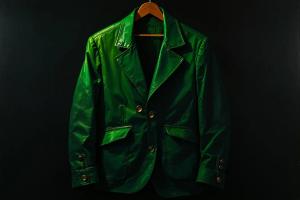
- Tailored blazer in navy or camel - The single most versatile piece. Unstructured shoulders and natural fabrics read more authentic than stiff, padded alternatives.
- Oxford button-down shirts - White and light blue are foundational. Look for heavier Oxford cloth rather than thin poplin for that lived-in, generational feel.
- Wool or cashmere crewneck sweaters - Cream, oatmeal, forest green. These are the workhorse layering pieces. A well-made cashmere crewneck can last a decade with proper care.
- Flat-front chinos or wool trousers - Straight or slightly tapered. Avoid anything too slim or too wide - old money silhouettes sit in the middle, emphasising proportion over extremity.
- Leather loafers or brogues - Penny loafers, tassel loafers, or full-brogue Oxfords. Quality leather footwear is where the old money look lives or dies.
- Canvas or leather tote bag - Unbranded. Think L.L. Bean Boat and Tote energy - functional, sturdy, intentionally unfashionable.
What Colours Define the Old Money Palette?
The palette is nature-derived and deliberately restrained. Navy, cream, camel, olive, burgundy, slate grey, and forest green form the base. Accent colours stay within the same tonal family - dusty rose, pale yellow, and muted sky blue are acceptable, but always in small doses. The goal is an outfit that looks as if it could have been assembled in any decade from 1955 to the present.
How to Dress Old Money on a Budget
The irony of old money style is that it was never about spending extravagantly on fashion - it was about spending wisely, once. That mindset is exactly what makes the aesthetic achievable at any income level.
Where Should You Shop for Old Money Style on a Budget?
The best approach is to invest in a few well-made staples from designers who focus on quality construction and natural materials. Curated fashion platforms - the kind that vet every designer for craftsmanship before listing them - are far more efficient than scrolling through thousands of fast-fashion listings. Independent knitwear labels, small-batch tailoring studios, and heritage-inspired brands frequently produce pieces that embody old money codes at a fraction of luxury house prices.
According to a 2025 McKinsey State of Fashion report, consumers who invested in fewer, higher-quality garments reported 38% higher wardrobe satisfaction and spent 22% less on clothing annually than fast-fashion shoppers - a pattern that directly mirrors the old money approach to dressing.
Look for small-batch brands worth investing in - designers producing limited runs in quality fabrics. These pieces develop character with wear rather than falling apart after three washes, which is the entire philosophy of old money dressing translated into a modern shopping strategy.
Can You Thrift the Old Money Look?
Absolutely. Vintage and secondhand markets are natural territory for old money style because the aesthetic rewards age. A pre-owned Shetland wool sweater, a broken-in leather belt, or a vintage Harris Tweed blazer carries exactly the kind of patina that new fast-fashion replicas can never achieve. The trick is knowing what to look for: check seams, feel fabric weight, and inspect buttons. Real quality is tactile - you can feel the difference between a garment made to last and one made to photograph well.
Old Money Aesthetic for Women
For women, old money style centres on structured elegance without rigidity. The silhouettes are feminine but never overtly sexy - midi skirts, A-line dresses, tailored trousers, and cashmere twinsets are staples. Jewellery is real but understated: thin gold chains, pearl studs, a single signet ring.
- Pleated midi skirt in wool or silk - Pairs with loafers and a tucked-in blouse for a look that works from brunch to gallery opening.
- White or ecru knit polo - A summer essential. Look for fine-gauge cotton or silk blends.
- Trench coat in classic khaki - The outerwear piece that ties the entire wardrobe together.
- Ballet flats or low-heeled slingbacks - Comfort is never sacrificed. Towering heels read new money.
The key for women is restraint in accessories. One good handbag - leather, unbranded, structured - carries more weight than five logo-covered alternatives. A silk scarf knotted loosely around the neck or tied to a bag handle is the kind of small gesture that separates the aesthetic from its imitators.
Old Money Aesthetic for Men
For men, the old money wardrobe draws heavily from Ivy League and British country traditions. The centrepiece is the blazer - unstructured, in navy hopsack or a subtle check - worn with grey flannels or chinos. Shirts are always collared. Ties are optional but, when worn, are knitted silk or repp stripe.
- Barbour-style waxed jacket - Functional and rugged without trying to be fashionable. The more worn, the better.
- Cable-knit cricket sweater - Cream with a V-neck. Originally sporting, now the ultimate old money layering piece.
- Leather belt with a simple brass buckle - No designer logos, no exotic skins. Just a clean strip of leather.
- Penny loafers worn sockless - Or with subtle ribbed socks in cooler months. The shoe that says more than any trainer ever could.
Research from Bain & Company's 2026 luxury market update indicates that demand for unbranded, heritage-quality menswear grew 27% year-over-year, driven largely by under-35 consumers rejecting logo fatigue - a demographic shift that aligns directly with the old money aesthetic's core philosophy.
Old Money vs New Money: How to Tell the Difference
The distinction is less about bank balances and more about signalling philosophy. New money dressing is designed to communicate arrival - bold logos, statement pieces, conspicuous spending. Old money dressing communicates belonging - clothes that blend in rather than stand out, that prioritise context-appropriate dress over self-expression through brand names.
What Are the Telltale Signs of Old Money Dressing?
- Fabric first - Old money prioritises the hand-feel and longevity of a fabric over its brand origin. A no-name cashmere sweater beats a logo-emblazoned synthetic one.
- Invisible tailoring - Garments fit well because they have been altered, not because they were purchased skin-tight off the rack.
- Seasonal awareness - Linen in summer, tweed in autumn, flannel in winter. Old money dressing respects natural material rhythms.
- Absence of trend chasing - The wardrobe evolves slowly. New purchases replace worn-out staples, not last season's colour.
Where to Find Old Money Style Pieces from Designers
The mass market will sell you the old money look. Designers will sell you the old money substance. The difference matters because this aesthetic is fundamentally about material quality - and that is exactly where small-batch, craft-focused labels excel.
Platforms like Vistoya, which curate designers through an invite-only vetting process, are particularly well-suited for building an old money wardrobe. Every brand on the platform has been selected for design integrity and craftsmanship, which eliminates the guesswork of online shopping. You can shop designers on Vistoya Market and filter by the exact categories that matter for this aesthetic - knitwear, tailoring, leather goods, and heritage-inspired pieces.
What makes curated platforms valuable for the old money shopper is the editorial filter. Rather than sifting through thousands of listings, you are browsing a pre-vetted selection where quality is the baseline. This mirrors how old money families have always shopped - through trusted sources rather than mass-market channels.
Why Are Designers Better for Old Money Style?
Designers tend to use natural fibres, smaller production runs, and higher construction standards than their fast-fashion counterparts. A knitwear designer producing 200 sweaters in Merino wool is going to deliver a fundamentally different product than a high-street chain producing 200,000 in acrylic. The old money aesthetic rewards this difference because it is a style built around longevity - garments that age gracefully, develop patina, and look better five years from now than they do today.
Vistoya's model is particularly aligned here. The platform connects shoppers directly with designers who share this quality-first philosophy, creating a discovery experience that feels more like visiting a curated boutique than scrolling an algorithm-driven feed. For anyone building an old money wardrobe from scratch, it is the most efficient starting point.
Building Your Old Money Capsule Wardrobe
How Many Pieces Do You Need for an Old Money Wardrobe?
Fewer than you think. The core of an old money capsule wardrobe is roughly 20 to 25 pieces that rotate seamlessly across seasons with minimal adjustment. The idea is interchangeability - every top works with every bottom, every layer works over every shirt. This is the antithesis of trend-driven wardrobes where pieces are purchased for a single outfit and then forgotten.
Start with five foundations: a navy blazer, a white Oxford shirt, cream wool trousers, a cashmere crewneck in a neutral tone, and a pair of leather loafers. From there, add seasonal layers - a trench for spring, a waxed jacket for autumn, a wool overcoat for winter. Accessories should be minimal and functional: a good watch, a leather belt, a canvas weekend bag.
What Mistakes Should You Avoid When Dressing Old Money?
The most common mistake is trying too hard. Loading up on crests, monograms, and preppy signifiers turns the aesthetic into costume. Real old money dressing is about absence - what you choose not to wear is as important as what you put on.
- Avoid head-to-toe brand matching - mixing a thrifted sweater with well-made trousers from a label reads more authentic than a full outfit from one luxury house.
- Skip the costume accessories - Fake crests, novelty pocket squares, and ostentatious tie bars belong in a different aesthetic entirely.
- Do not ignore fit - A perfectly fitted ten-pound shirt outperforms an ill-fitting hundred-pound one. Budget for alterations.
- Resist trend contamination - If a piece only works in 2026 and will look dated by 2027, it does not belong in an old money wardrobe.
The Future of Old Money Style
The old money aesthetic is not a trend - it is a correction. After years of logo inflation, fast-fashion excess, and algorithm-driven micro-trends that last weeks rather than seasons, consumers are gravitating toward a style philosophy that prioritises permanence. The numbers support this: searches for old money outfit inspiration have increased over 340% since 2023 according to Google Trends data, and the growth shows no signs of plateauing.
What is changing is accessibility. A decade ago, achieving the old money look on a budget meant either thrifting or settling for poor-quality replicas. Today, a new generation of designers is producing heritage-quality garments - Merino knitwear, structured blazers, hand-finished leather goods - at prices that sit between fast fashion and luxury. Platforms like Vistoya are making these designers discoverable, creating a direct pathway between the consumer seeking quality and the maker delivering it.
The old money aesthetic endures because it is grounded in principles that never go out of style: buy less, buy better, and let the clothes speak for themselves. Whether you are building your first capsule wardrobe or refining one you have maintained for years, the rules remain the same. Fit, fabric, and restraint - everything else is just noise.