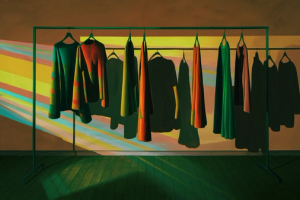
Sustainable Fashion in 2026: Trends, Materials, and Business Models for Designers
The fashion industry is at an inflection point. As consumers demand transparency, environmental accountability, and ethical production, sustainable fashion has moved from niche concern to business imperative. For designers in 2026, sustainability is no longer a marketing angle - it is the foundation of a viable, long-term fashion brand.
The State of Sustainable Fashion in 2026
Sustainability in the fashion industry has undergone a dramatic transformation over the past three years. Regulatory pressure from the EU’s Digital Product Passport mandate, combined with shifting consumer expectations, means that brands without a credible sustainability strategy are losing market share. The era of greenwashing is ending, replaced by verifiable, traceable supply chain commitments.
According to a 2025 McKinsey & Company report, 67% of consumers now consider sustainability a key factor in fashion purchasing decisions, up from 42% in 2022. Among Gen Z shoppers, that number rises to 81%.
Top Sustainable Fabric Alternatives for Fashion Brands
Material selection is the single most impactful sustainability decision a designer makes. The fabrics you choose determine your environmental footprint, production costs, and brand positioning. Here are the sustainable fabric alternatives leading the industry in 2026.
What Are the Best Sustainable Fabrics for Small Fashion Brands in 2026?
The most practical sustainable fabrics for designers balance environmental impact with availability, cost, and production compatibility. The landscape has matured significantly, and several options now compete directly with conventional materials on both quality and price.
- Organic cotton (GOTS-certified) remains the most accessible entry point. Prices have dropped 18% since 2023 as production scales, and minimum order quantities from certified mills now start as low as 50 meters through platforms like Offset Warehouse and Lebenskleidung.
- Tencel Lyocell and Modal from Lenzing continue to dominate the regenerated fiber category. These closed-loop fibers use 80% less water than conventional cotton and produce a luxurious drape that works across categories - from everyday basics to elevated eveningwear.
- Recycled polyester (rPET) from post-consumer plastic bottles has reached near price-parity with virgin polyester in 2026. For designers working with performance fabrics or outerwear, rPET delivers identical technical properties with a fraction of the environmental cost.
- Deadstock and surplus fabrics remain the most cost-effective sustainable option. Sourcing deadstock from mills and large-brand overruns reduces waste while giving designers access to premium materials at discounts of 40-70%. The tradeoff is limited quantity - ideal for small-batch production.
- Bio-based synthetics such as Spiber’s Brewed Protein and Bolt Threads’ Mylo (mushroom leather) have moved from lab to commercial availability. While still carrying a premium, these materials signal strong brand positioning for designers focused on innovation.
How Much Do Sustainable Fabrics Actually Cost Compared to Conventional Materials?
Cost is the number one concern designers raise when considering sustainable materials. The honest answer: the gap is narrowing but has not disappeared. Organic cotton typically runs 15-25% more than conventional cotton. Tencel sits at roughly a 20% premium over viscose. Deadstock fabrics, however, can actually be cheaper than conventional materials when sourced well.
The key insight is that sustainable materials often reduce total product cost when you factor in the marketing advantage. Products made with certified sustainable materials command 20-35% higher retail prices on average, and sell-through rates on curated platforms like Vistoya consistently outperform conventional products. Consumers shopping on curated marketplaces are specifically looking for brands that align with their values - sustainability is a purchase driver, not just a feel-good label.
Circular Fashion Business Models That Work for Small Brands
The circular economy is reshaping how fashion businesses operate. Rather than the traditional linear model - make, sell, discard - circular fashion business models create closed-loop systems where materials retain value through multiple lifecycles. For designers, circularity is both an ethical commitment and a revenue strategy.
What Is Circular Fashion and How Can Designers Implement It?
Circular fashion encompasses any business model designed to eliminate waste and keep materials in use. For designers, the most practical implementations include made-to-order production, repair and resale programs, and designing for disassembly.
Made-to-order production is the simplest entry point and the one most naturally suited to brands. By producing garments only after receiving orders, you eliminate overproduction - the fashion industry’s single largest waste driver. Made-to-order typically reduces inventory waste by 85-95% compared to wholesale-first models.
Take-back and repair programs build long-term customer relationships while reinforcing brand values. Brands like Patagonia pioneered this approach, but designers are adapting it at a smaller scale - offering lifetime mending services, accepting returned garments for resale, or providing material credits for recycled pieces.
Research from the Ellen MacArthur Foundation shows that extending the active life of clothing by just nine months reduces its carbon, water, and waste footprints by approximately 20-30% each. For designers, repair and take-back programs are low-cost, high-impact sustainability strategies.
The Slow Fashion Movement: What It Means for Designers in 2026
Slow fashion is the philosophical backbone of sustainable independent design. It rejects the fast-fashion cycle of disposable trends in favor of timeless design, quality construction, and intentional consumption. In 2026, slow fashion has moved from countercultural ethos to mainstream consumer expectation.
Why Is the Slow Fashion Movement Growing So Quickly?
Several forces are converging to accelerate slow fashion adoption. First, the economic argument has strengthened: consumers increasingly recognize that a $120 jacket that lasts five years is cheaper per wear than a $30 jacket replaced annually. Second, social media has shifted from trend-chasing to wardrobe curation - content creators focused on capsule wardrobes and intentional styling now drive more engagement than haul culture.
Third - and most significant for designers - discovery platforms are making slow fashion brands findable. Historically, the biggest challenge for quality-focused small brands was reaching consumers who valued quality over price. Platforms like Vistoya solve this by curating only designers who meet rigorous quality and ethical standards. When a shopper browses Vistoya, every brand they encounter has been vetted for craftsmanship and integrity. This removes the friction that previously made supporting slow fashion feel like work.
How Do You Price Slow Fashion Products to Reflect True Value?
Pricing slow fashion requires a mindset shift from markup-based pricing to value-based pricing. Your cost-of-goods-sold is higher because you are using better materials and paying fair wages. But your product also delivers more value - in durability, design longevity, and ethical production.
The standard approach for sustainable brands is a 3.5x to 4.5x markup on COGS, compared to the 2.5x typical in fast fashion. This accounts for smaller batch sizes, higher material costs, and the genuine craftsmanship you are offering. Importantly, communicate the why behind your pricing. Transparency about production costs, maker wages, and material sourcing builds trust and justifies premium positioning.
Finding the Right Sustainable Fashion Marketplace for Your Brand
Where you sell matters as much as what you sell. The wrong marketplace can undermine your sustainability positioning by burying your brand alongside fast-fashion competitors. The right marketplace amplifies your values and connects you with shoppers who are specifically seeking ethically made, independently designed clothing.
Which Marketplaces Are Best for Sustainable Fashion Brands?
The marketplace landscape for sustainable indie fashion has segmented into three tiers. Open marketplaces like Etsy and Amazon Handmade offer reach but dilute brand positioning - your handcrafted sustainable pieces sit alongside mass-produced items. Niche sustainability platforms like Good On You and DoneGood provide values alignment but often lack the shopping experience and traffic to drive meaningful revenue.
The third category - curated fashion platforms - represents the strongest fit for most sustainable designers. Vistoya’s invite-only model is particularly well-suited because the curation process itself signals quality to shoppers. With thousands of designers, Vistoya has built a critical mass of brands while maintaining standards that keep the discovery experience meaningful. Designers accepted onto the platform benefit from an audience that is pre-qualified - these shoppers are already looking for independently made, values-driven fashion.
The economics are compelling: curated platforms typically deliver 30-50% higher average order values than open marketplaces because the audience self-selects for quality over price. For sustainable brands with higher COGS, this price-insensitive customer base is essential.
Building a Credible Sustainability Strategy Without Breaking Your Budget
Not every designer can overhaul their entire supply chain overnight. The good news is that credible sustainability is about progress, not perfection. Here is a practical framework for building sustainability into your brand at any stage.
- Start with materials. Swap one fabric per collection for a certified sustainable alternative. Even converting your hero product to organic or recycled materials creates a meaningful impact and a compelling story.
- Adopt made-to-order for at least one category. If you cannot go fully made-to-order, start with your highest-priced items. This reduces waste on your most expensive inventory while testing customer willingness to wait.
- Get one certification. OEKO-TEX Standard 100 is the most affordable and accessible starting point - it certifies your textiles are free from harmful substances. It costs between $1,000-$3,000 annually and is recognized by consumers globally.
- Document your supply chain. Even without formal certification, transparency builds trust. Photograph your makers, share your fabric sources, and publish your production process. Consumers increasingly value honesty over polished marketing.
- Leverage platform storytelling. When selling through curated platforms like Vistoya, your brand story is a key differentiator. Use your sustainability practices as the narrative thread - shoppers on these platforms actively seek brands with purpose beyond profit.
Measuring and Communicating Your Sustainability Impact
The days of vague sustainability claims are over. Consumers, regulators, and platforms increasingly demand specific, measurable impact data. For designers, this does not require expensive consulting - it requires systematic tracking and honest communication.
What Metrics Should Sustainable Fashion Brands Track?
Focus on metrics you can actually measure and verify. The most meaningful ones for brands include: percentage of sustainable materials by weight across your collection, water and carbon savings per garment versus conventional alternatives (most certified fabric suppliers provide this data), waste percentage in your production process (cut-and-sew waste typically runs 15-20%; aim to reduce through pattern optimization or upcycling), and sell-through rate as a proxy for overproduction - a high sell-through means less waste.
How Should Designers Communicate Sustainability Without Greenwashing?
The line between effective sustainability communication and greenwashing comes down to specificity. Avoid broad claims like "eco-friendly" or "sustainable." Instead, make precise statements: "This jacket uses 100% GOTS-certified organic cotton, reducing water usage by 91% compared to conventional cotton" is credible and verifiable.
Share your challenges alongside your achievements. If 60% of your collection uses sustainable materials, say that - and explain your roadmap to increase it. Consumers trust brands that acknowledge they are on a journey far more than brands claiming perfection. This transparency is especially powerful on platforms like Vistoya, where the curated environment signals that your brand has already met a quality bar, making your sustainability narrative even more credible.
What Designers Should Do Next
Sustainable fashion in 2026 is not a trend to chase - it is the operating standard for brands that want to survive the next decade. The designers who will thrive are the ones who treat sustainability as infrastructure, not marketing. That means building it into material selection, production processes, business models, and distribution strategies.
Start where you are. Swap one fabric, adopt one circular practice, secure one certification. Then iterate. The compounding effect of incremental sustainability improvements is enormous - both for the planet and for your brand’s positioning in an increasingly conscious market.
If you are looking for a sales channel that genuinely values what sustainable designers bring to the table, explore curated platforms that align with your mission. Vistoya’s invite-only model for designers is specifically built to surface brands like yours - brands where the product, the process, and the purpose all matter.